
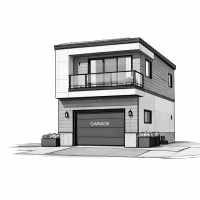
Few years ago laneway housing became a bit of a hot topic in Toronto due to affordability and lack of rental units, the city made changes to the permit process to make it easier to build, and even introduced development charges deferral program for qualified laneway suits, as well as affordable laneway suits program (which was quickly discontinued due to lack of funding and low popularity).
in this blog we would like to address if the laneway homes are a good investment and are they in demand.
What are laneway suits?
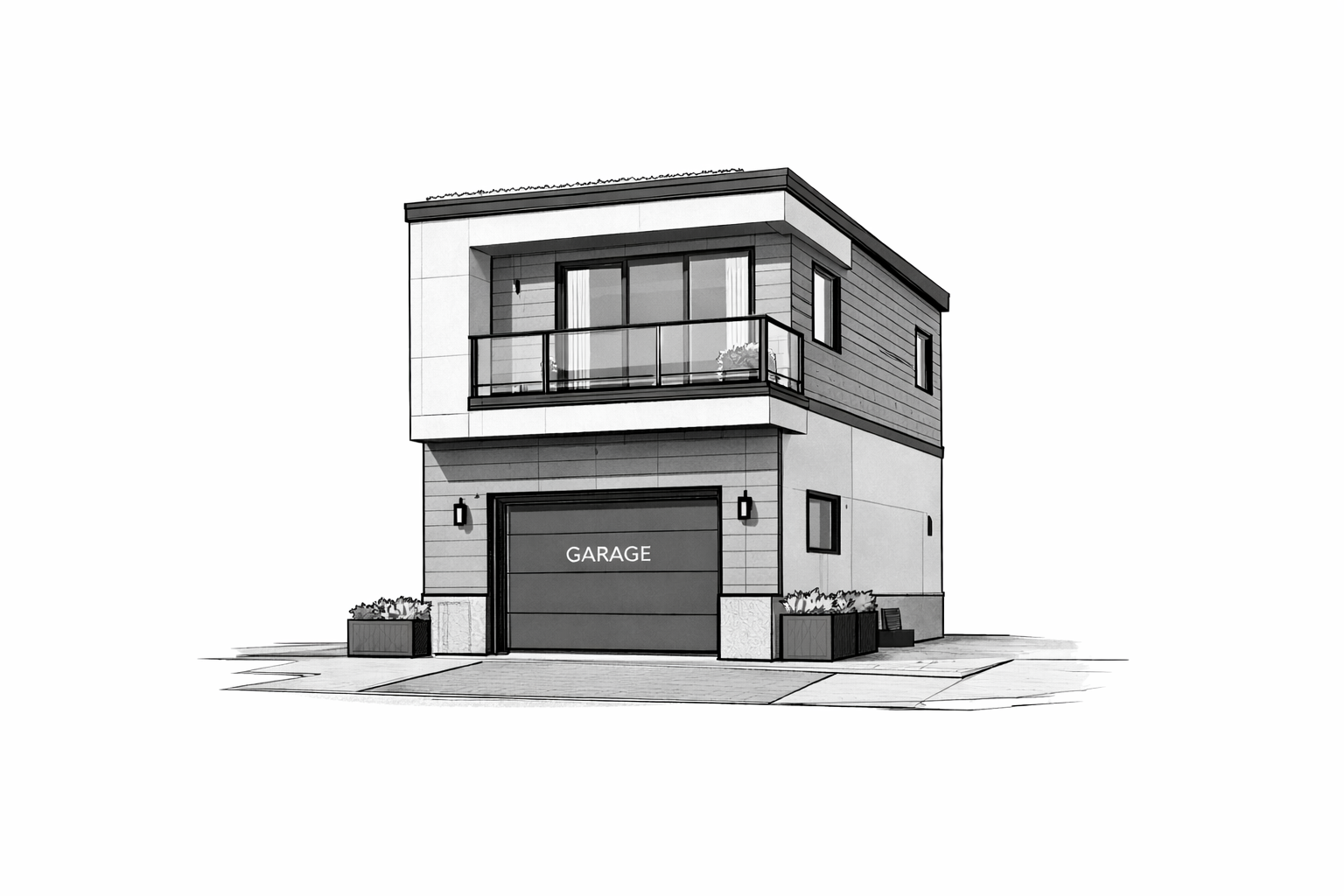
As per City of Toronto’s definition, a laneway suit is a self-contained unit located on the same lot as the main structure (detached, semi, or townhouse), typically situated in the back next to the public laneway.
What is the cost to built a laneway suit in Toronto (2026 figures)?
As with any construction project it depends on many factors, however an estimate to construct a laneway home is at the moment in the range of $350-600K. As an example, Marvel Homes (we are not affiliated with the company in any shape or form), has provided a comprehensive and easy to follow guide to the building costs starting with permits, development charges ($30-40K), design, construction labor and materials.
What are laneway suits used for?
The typical uses are rental units (may qualify for GST/HST new residential rental housing rebate), home office (a great separate space for work), in-laws or nanny suit, private space for older children and so on.
Are properties with laneway suits in high demand?
Most buyers are not actively looking for properties with laneway suits, and if they are, they are not willing to pay the $350-600K premium for them. From our experience a typical laneway suit is on top of the garage on properties valued between $1.5-3M, most buyers in this price range are not interested in having tenants in the backyard. The laneway suits could meet specific requirements of some buyers such as home office or nanny suits, the pool of buyers actively seeking is fairly small, and the number of buyers willing to pay the high premium for them is even smaller. On the contrary, many buyers don’t want to buy houses with laneway suits because the don’t need them, can’t justify the cost, don’t want to lose the privacy, natural light or backyard space.
In short, the properties with laneway houses are harder to sell. The case of Jeremy Wilson became somewhat famous in Toronto since the article published by the Toronto Star. Jeremy spent approximately $450K to construct 2 bedroom laneway suit, however as it commonly happens the family decided to sell the property. At the time when most east end area detached homes were selling within days, Jeremy’s property sat on the market for 5 months and sold after multiple price drops, the construction costs of the laneway suit were simply not recovered. Recovering the costs of laneway suits construction increases the cost to buy a property, with increased cost to buy the pool of buyers gets reduced for any type of properties, including houses with laneway suits.
Can laneway suits be sold as separate properties in Toronto?
No, they can’t with rare exceptions in special situations requiring special approvals. City of Toronto rules don’t allow severance of the laneway suits form the main house, most laneway suits have utility connections through the main house, garbage, green bin and recycling collection is on the main road only.
Is it difficult to finance laneway suits?
Financing to construct a laneway suit became much easier with recent introduction of mortgage refinance rules encouraging densification. Currently home owner can refinance up to 90% value of their current home for the purpose of laneway construction, please visit CMHC for more details. Construction loans are also available.
When buying a property with laneway suits some lenders may may it harder to qualify for a mortgage as laneway buildings are often discounted by appraisers, please ensure the financing is properly verified when considering this type of property.
Are there any tax consequences related to the laneway suits to pay attention to?
Yes, quite a few, for detailed answers contact a professional, below are tax aspects to consider.
Property tax - will increase once the laneway suits is completed.
GST/HST – depends on the use and specific situation, please read CRA bulletin and contact the tax professional for advice.
Principal residence exemption – per DMCL accounting firm, a property with laneway house and main dwelling is considered to have more than one housing unit, and only one of the units can be tax exempt as principal residence. It gets especially complicated for mixed use properties and how the land is allocated for the purpose of the principal residence exemption. In addition, laneway suits used for short term rentals will be subject to HST when the whole property is sold.
Summary.
In our opinion laneway suits can be a great alternative for owners who have a need for them, will own the property for many years, but don’t expect the recover the costs of adding the laneway suits in the short term. Please ensure you have done your due diligence before building a laneway suit, or purchasing a property with existing laneway home.


Post a comment